
Maximizing Farm Profitability and Sustainability: Integrating Modern Equipment with Circular Farming Principles
For today’s progressive pig farm owner, the path to greater profitability is increasingly intertwined with the principles of operational efficiency and sustainable practice. The most forward-thinking operations are moving beyond viewing equipment as a mere capital expense. Instead, they see it as the foundational component of a holistic, closed-loop farming system. This integrated approach—often termed circular agriculture—addresses pressing environmental concerns while delivering a direct, positive impact on your bottom line.
1. The Core of a Modern, Circular Pig Farm
A truly efficient farm operates as a synergistic ecosystem. The connection between advanced housing equipment and intelligent waste-to-resource systems creates a cycle of continuous value.
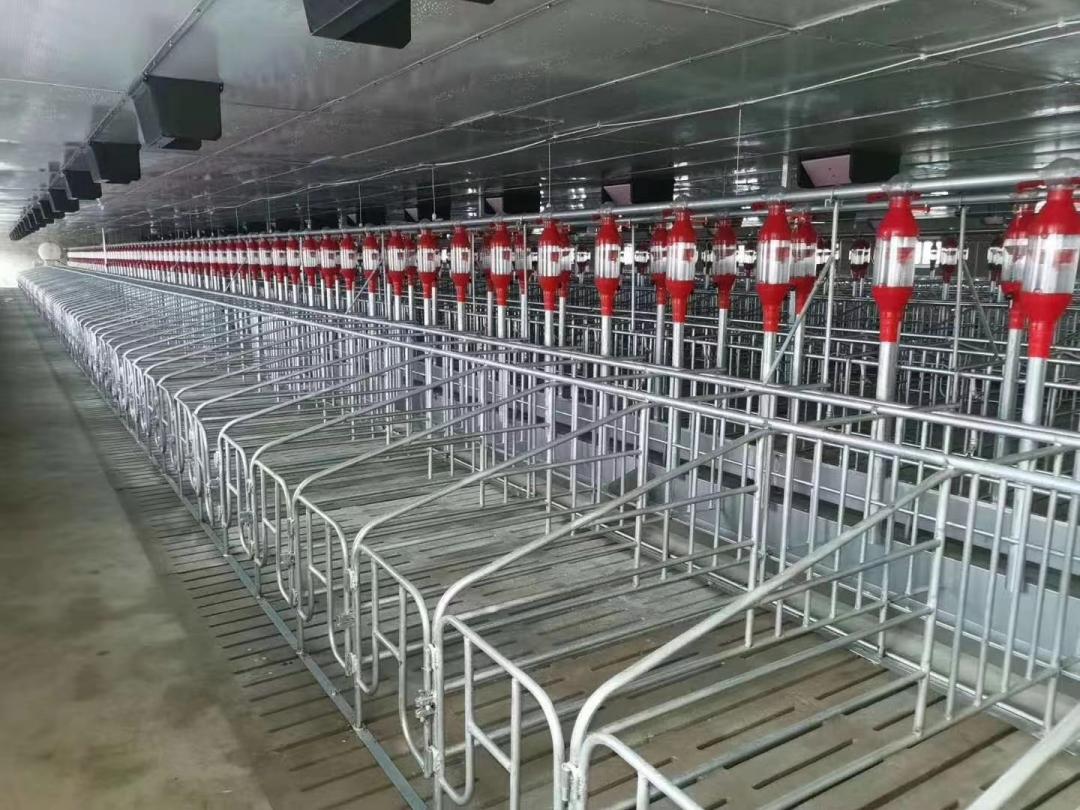
Precision Housing Equipment: Contemporary farrowing crates, gestation stalls, and nursery pens are engineered for more than containment. They optimize animal welfare, improve barn hygiene, and facilitate superior stock management, leading directly to higher survival rates and consistent growth performance.
The Resource Cycle: By integrating solutions for efficient manure collection and treatment, waste is transformed. It becomes a valuable feedstock for on-site biogas production (energy) or is processed into high-quality, nutrient-rich organic fertilizer for crop cultivation—completing the productive circle.

2. Strategic Equipment Selection for Different Farm Goals
Your farm’s specific purpose dictates its optimal equipment strategy. A generic, one-size-fits-all approach is ineffective.
For Sow Farrowing Units: The priority is sow safety and piglet viability. Insulated farrowing crates with specialized flooring, dedicated climate control zones, and robust piglet protection features are non-negotiable. This investment directly reduces pre-weaning mortality, a key performance indicator for any breeding operation.
For Piglet Fattening Operations: Here, feed efficiency and consistent growth rates are paramount. Durable nursery pens, automated feeding systems (such as wet/dry feeders), and precision ventilation work in concert to minimize Feed Conversion Ratio (FCR), reduce labor, and promote uniform batches ready for market.
3. Building Operational Resilience Through Supporting Systems
The infrastructure that supports your pens is vital for long-term stability and biosecurity.
Health & Traceability: Automated nipple drinking systems prevent water stagnation and contamination, while ear tags and applicators enable individual animal tracking for precise health management and genetic selection.
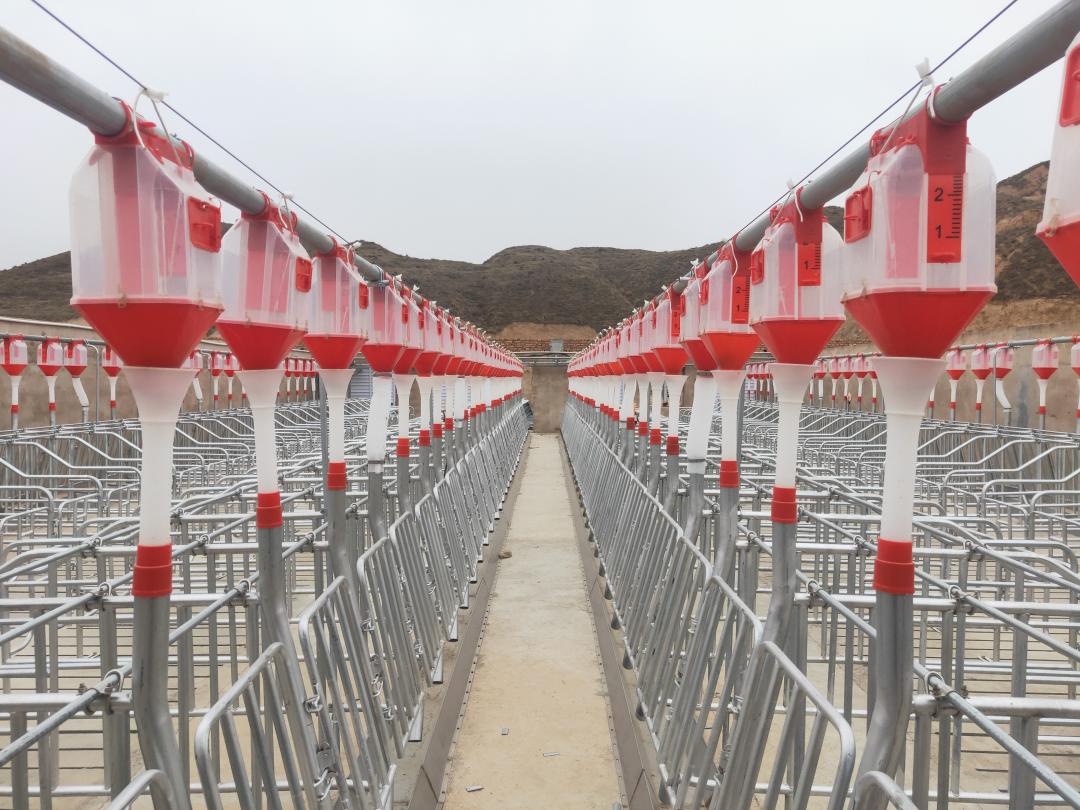
Feed Integrity & Delivery: Galvanized feeding silos and hygienic pipeline systems ensure feed remains fresh and free from spoilage, delivering precise rations with minimal waste—a major controllable cost factor.
Partnering for a Seamless Transition
Implementing new technology requires a trusted partner. Look for a provider committed to a full-cycle partnership: starting with a comprehensive demand survey, moving to customized pen solutions for your specific scale (whether under 500 or over 3000 pigs), and backed by long-term technical support. This ensures your investment delivers the intended return, from initial planning through to on-site installation and daily operation.
At MUHE Farming, we are dedicated to redefining farming life through integrated, intelligent solutions. We combine deep expertise in the R&D and manufacturing of specialized pig equipment with a practical understanding of circular agriculture principles. Our mission is to partner with you to build a farming operation that is not only more productive and profitable but also inherently sustainable and resilient for the future.
Ready to explore how an integrated equipment strategy can transform your specific operation? Contact our team for a tailored consultation based on your farm’s size, goals, and unique challenges


